

About 168 miles southwest of the Louisiana coast, the Orca Basin is located in water deep enough that chemistry and pressure have combined to produce something unique: a layer of brine so rich and oxygen-depleted that virtually nothing can break down in it. In contrast to regular seawater, objects that sink into the Orca Basin do not decompose. Biological and chemical deterioration is slowed to a fraction of its typical rate by the anoxic conditions, which are virtually an oxygen desert at the bottom of the Gulf of Mexico. For many years, marine scientists have been aware of this and have been researching it as an ecological curiosity. Carboniferous, a startup based in Houston, intends to use it as a carbon vault.
The regulatory turning point that makes the chemistry of the Orca Basin relevant to climate policy is the EPA’s decision to grant a marine research permit for the Carboniferous experiment. The permit, which was granted in accordance with the Marine Protection, Research, and Sanctuaries Act, permits Carboniferous to submerge up to 16 metric tons of broken sugarcane biomass bricks in about 20 burlap sacks into the basin along with monitoring equipment to keep track of what transpires afterward. The planned duration of operations is September 2026–February 2028, which will span several seasons and allow researchers to monitor conditions that vary according to the Gulf’s cyclical cycles.
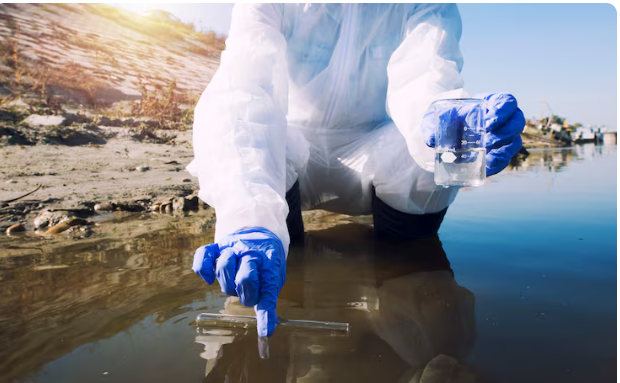
Once you see it, the fundamental reasoning behind ocean biomass sinking becomes clear. As it grows, sugarcane takes carbon dioxide from the atmosphere, just like all other plants. When a plant’s tissue breaks down, the carbon that was taken in during growth is released back into the atmosphere as CO2, reversing the process of sequestration. You can prolong the time that the carbon remains out of the atmosphere by submerging the plant material in an environment where breakdown is incredibly slow, rather than letting it break down on land or in typical ocean conditions. The decomposition slowing in the anoxic, high-salinity bottom layer of the Orca Basin is so extreme that the sequestration could be measured in centuries rather than years.
The selection of sugarcane residue, also known as bagasse, the fibrous material remaining after juice extraction, is intentional. It is a large-scale agricultural byproduct, mostly from the manufacturing of sugar, that would normally be burned, composted, or allowed to break down rather quickly. While eliminating the greenhouse gas emissions that would result from burning it, using it for ocean carbon storage provides it a second use. It is prevented from spreading as it sinks by being formed into dense bricks and contained in burlap sacks, which also makes the monitoring duty easier to do because the research team can directly sensor the material and knows where it is.
This permission has some relevance beyond the particular experiment it covers because federal authorization for marine carbon dioxide removal testing has been uncommon. Ocean CDR strategies, such as biomass burial techniques, macroalgae sinking, and ocean alkalinity augmentation, have garnered significant attention from investors and scientists as possible means of removing atmospheric carbon at scales pertinent to climate targets. The practical challenge has been the legislative pathway: applying the Marine Protection Act to deliberate carbon storage studies required traversing frameworks that weren’t initially built with CDR research in mind. The Act was created with trash disposal and pollution control in mind. Other CDR researchers will be keeping an eye on the precedent set by the EPA’s decision to approve this permit.
The experiment is intended to address really significant scientific topics that have not yet been addressed by available data. Over the course of the monitoring period, how much carbon from the sunk biomass is still sequestered? In the unique chemical environment of the Orca Basin, what happens to the monitoring equipment? Does the sequestration durability change as a result of interactions between the sugarcane material and the high salinity brine? Does the current chemistry or biology of the basin need to be monitored for ecological effects? The 16-metric-ton scale is small—intentionally so for a research experiment—which reduces environmental danger and makes monitoring easier, but it also means that the amount of carbon removed is insignificant in terms of atmospheric impact. The facts, not the tons, is what matters.
