

The ocean did something amazing for decades, and no one asked it to. It quietly and without complaining took in about a quarter of all the carbon dioxide that people put into the air every year. Scientists knew this could not last any longer. It’s still scary to see the numbers going in the wrong direction, though.
Researchers were getting more and more worried about what a new report from NOAA‘s ocean monitoring work showed: parts of the ocean aren’t absorbing carbon like they used to. In some places, the situation has changed. CO2 used to be pulled down by water, but now it is being released back into the air. While there are no sirens to warn of the change, it is very important in many ways.
The information comes from SOCAT, which stands for the Surface Ocean CO2 Atlas. It is a community-led monitoring project that gathers CO2 readings from ships, ocean buoys, and self-driving surface vehicles that go back to the 1950s. The most recent version of SOCAT, which came out in 2023, includes 35.6 million measurements that have been checked for quality. There is a troubling fact buried in that big number, though: the number of active ocean grid cells being measured every month has dropped by almost half since 2017. From about 18,000 square kilometers to about 10,000 square kilometers. The ocean didn’t get smaller. It was the observation network.
Part of this collapse can be traced back to the COVID-19 pandemic, which slowed down ship operations around the world and made it take longer for the research community to recover. It has something to do with money, or the lack of it. A lot of the international partners that gave data to SOCAT have been having trouble getting enough of it, and now the European data management team for the project is in danger as well. Something about that is slightly scary. The world is pushing for net-zero goals, carbon credit markets, and emissions treaties, but at the same time, the infrastructure that measures carbon in the ocean is slowly breaking down.
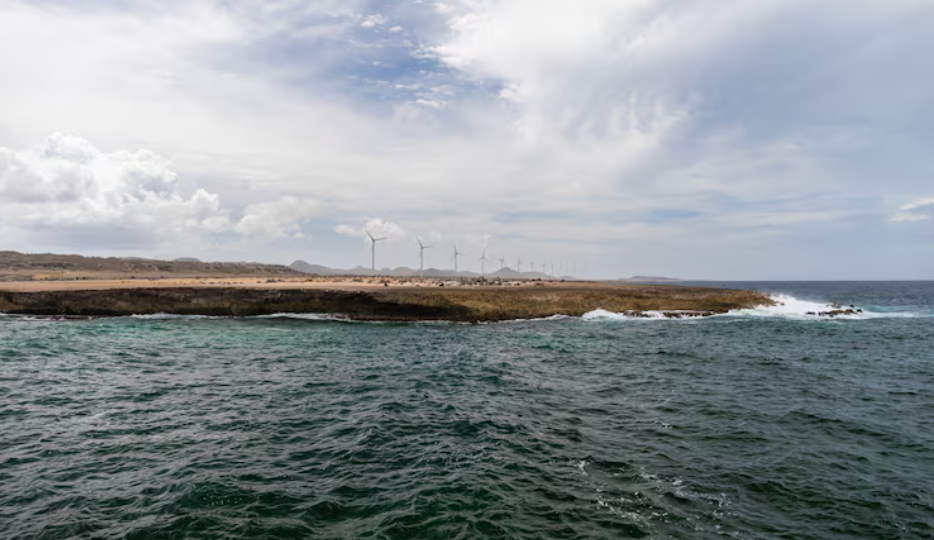
Even though the implications aren’t clear, the physics behind this is. The CO2 is dissolved less in warmer water. As ocean temperatures have gone up—NOAA recorded record-breaking sea surface temperatures in 2023 and widespread marine heatwaves—the ocean’s ability to take in carbon from the air has gone down. Rik Wanninkhof, an expert on ocean carbon at NOAA’s Atlantic Oceanographic and Meteorological Laboratory, made it clear: the ocean can only hold so much carbon. That’s not being alarmist. That is physics talking through measurements made over many years.
This is a very uncomfortable situation because of the time. At the Mauna Loa Observatory in May 2023, the amount of CO2 in the air reached 424 parts per million. This was more than 50 percent higher than levels before cars and factories. When it came out in late 2022, the global carbon budget showed that emissions would stay at about 40.6 billion tons per year. These are the times when we need the ocean’s ability to soak up the most. And these are the circumstances in which that capacity seems to be weakening.
In one version of this story, the monitoring gap is filled, funding is secured, and scientists are sure they know which areas have changed from sink to source and by how much. That confidence isn’t there right now. The gap that’s been there since 2017 hasn’t been filled yet, even though work is being done on things like SOCONET, a distributed international monitoring network.
It’s still possible for the changes to be undone. For example, cooler ocean cycles could restore some of the sink’s strength, and better technology for autonomous monitoring could make coverage grow faster than funding cuts could shrink it. As I watch this situation develop, I can’t help but feel that scientists are being asked to keep an eye on one of the biggest changes in the environment this century with a network of measurements that keeps getting smaller. The ocean hasn’t finished taking in all the carbon. Our eyes aren’t on it as much because it’s doing less of it in fewer places.
