

It’s still August. It’s hot and humid, and most people are thinking about plans for the end of summer instead of snow tires. Still, weather forecasters are already working behind the scenes to make plans for what this winter might bring. From what I’ve heard, it won’t be easy.
The Farmers’ Almanac has been keeping track of North American weather patterns since 1818. This week, it released its winter forecast for 2026–2027. The headline doesn’t exactly make you feel better. The winter of 2026–2027 is shaping up to be very different from one another. There will be active storms in the south, swiftly moving cold snaps in the north, and a very unpredictable mix of rain and snow in the northeast. The Almanac’s weatherman, who writes under the long-held alias Caleb Weatherbee, said it plainly: bring the snow shovel, rain boots, and ice scraper with you. You might need all three this winter.
Most of these predictions are based on El Niño. The Climate Prediction Center now says that El Niño has a greater than 90% chance of becoming very strong thru fall and into the core winter months. That’s not a small thing. As El Niño gets stronger, it changes the paths of storms across the whole country. It moves active weather systems further south than usual and makes some parts of the northern tier unusually quiet, until all of a sudden, an Arctic blast changes everything.
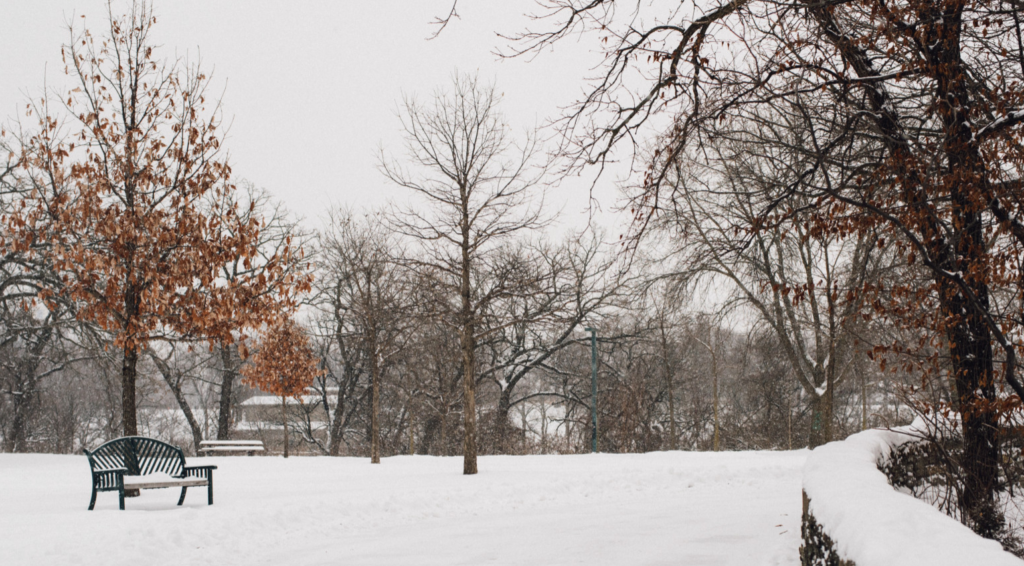
This most likely means a season of rain and storms for the southern United States, including Texas, the Gulf Coast, and the Southeast. The storm track that goes from Southern California thru the Desert Southwest and into the Deep South could bring a lot of rain, mud, and sometimes cold air surges that turn a rainy day into an icy one. When cold air falls into a place with a lot of moisture, things usually get messy. Sleet, freezing rain, and heavy, wet snow are all possible, especially during the coldest parts of winter. Some areas of North Carolina, for example, are expected to have “cool” and “wet and stormy” weather. This won’t be as cold as other places, but it will still be bad enough to cause problems.
Things are different further north, tho they aren’t always calmer. Overall, temperatures in the Midwest, Great Lakes, and northern Plains should be close to normal. But that way of putting things can be wrong. “Near normal” in Minnesota in January is still very cold, and forecasters say that sudden cold snaps, fast-moving snow squalls, and gusty Arctic wind events are likely to happen without much warning. It may also thaw and freeze quickly in the middle of the country, which is a problem for roads, fields, and anyone who underestimates the morning commute.
That being said, the Northeast might have the worst winter of all. Rain and mixed precipitation may fall more often than snow along the coast, while heavy, wet snow falls in the middle of the country, especially in January and February. The small difference between outcomes is frustrating for both forecasters and people who live in the area. If the storm moves a little further south, it might rain in Boston and snow in the Berkshires. A difference of just one or two degrees in surface temperatures near the coast could mean the difference between a slushy mess and a storm. It’s more honest than most seasonal forecasts for the Almanac to say right away that there is a lot of uncertainty.
There are also signs that go beyond the Almanac’s usual format. Severe Weather Europe has warned of early warning signs of a possible disruption to the polar vortex for the 2026–27 season. These are caused in part by what they’re calling “Super El Niño Planetary Waves.” If that problem happens later in the winter, it could bring bitter cold to places that had been enjoying warmer spells. Even tho it’s too early to bet on, it’s still interesting to watch.
Things look better for skiers and people who like to watch the snowpack out west. OpenSnow and a number of other independent meteorologists say that the Sierra Nevada in California, Utah, and parts of southern and eastern Colorado are likely to get more snow than usual. It might be a good time to ski in the southern Rockies. It remains to be seen if that snowfall will actually help the West’s water supply during this drought.
Nature can always surprise us with something that no seasonal forecast sees coming. The Almanac says that it is accurate about 80 to 85 percent of the time in this area, but other sources tend to rate it somewhat less accurately. Long-range winter forecasting tells you what might happen, not what will definitely happen. But the main signs this year are based on science, and El Niño’s effect on the weather has been well-studied for more than one hundred years. It has been like this before in years with a strong El Niño: stormy and wet in the south, cold and snappy in the north, and chaos in the middle. It’s not a promise. It’s not a wild guess, tho.
For now, it’s probably best to look into the specifics of the weather in your area, pay attention to the big picture, and hold off on putting away your winter gear just yet. You should watch this one.
| Detail | Information |
|---|---|
| Article Title | The Farmers’ Almanac Just Dropped Its 2026-27 Winter Weather Predictions — Read This Before You Pack Away Your Ice Scraper |
| Topic | 2026-27 Winter Weather Predictions |
| Primary Source | Farmers’ Almanac — published August 2026 |
| Forecaster | Caleb Weatherbee (pseudonym passed down through generations) |
| Key Weather Driver | Strengthening El Niño (>90% chance of very strong event) |
| South & Gulf Coast | Wet and stormy; frequent storms; risk of sleet, freezing rain, heavy wet snow |
| North, Midwest & Great Lakes | Near-normal temps overall; sudden cold snaps, snow squalls, Arctic wind events |
| Northeast | Most unpredictable; coastal areas lean rain/mixed; inland areas risk heavy wet snow Jan–Feb |
| West (Sierra Nevada, Utah, Rockies) | Above-normal snowfall expected; strong outlook for skiers |
| Northwest & Plains | Variable and changeable; less dependable snow totals |
| North Carolina Outlook | Cool and wet/stormy season driven by El Niño moisture |
| Additional Risk | Potential polar vortex disruption flagged for later in the season |
| First Day of Winter 2026 | Monday, December 21, 2026 at 3:50 p.m. |
| Almanac Founded | 1818 |
| Stated Forecast Accuracy | 80–85% regional accuracy (independent reviews somewhat lower) |
