

Something that shouldn’t be there gets pulled up by a fisherman in August when he is carrying traps off the coast of Maine. Not a lobster, which are becoming more difficult to locate in the shallower inshore seas where they were formerly dependable. He pulls up a fat, hostile blue crab that you would expect in the Carolinas or the Chesapeake Bay, not this far north. He tosses it back, notes it in his manner of noting things (not on paper, but in the area of his memory dedicated to things that are evolving), and continues working. A few miles distant, a spadefish is seen drifting among the kelp with no apparent understanding that it is approximately 800 miles north of its typical habitat by a diving instructor leading a group of pupils down near a rocky reef.
These interactions have been occurring frequently enough in the Gulf of Maine and around the coast of New England that the marine biologists who are researching them have given the animals involved names. Gulf Stream orphans. These are young tropical and subtropical fish that were carried north by warm water currents from their spawning grounds in the Gulf of Mexico and the Mid-Atlantic, far from any environment their biology was intended to handle permanently.
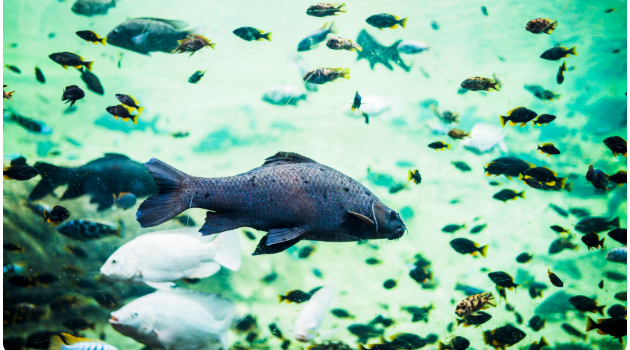
The phrase is both accurate and somewhat depressing. When the water is warm enough to support them, they appear in late summer. By New England standards, they are frequently breathtaking; they are vibrant, exotic-looking fish that belong on a Caribbean reef. When winter arrives and the water temperature falls below what their bodies can withstand, the majority of them perish.
Their arrival is explained by a well-established mechanism. Along the U.S. East Coast, the Gulf Stream transports warm water northward. Its eddies and meanders force warm water pulses into the coastal shelf ecosystem, where young fish drift at the mercy of whatever current holds them. Due to its location, depth profile, and more general changes in North Atlantic circulation brought on by climate change, the Gulf of Maine, which is at the northern end of this system, has been rising at a rate that places it among the fastest-warming big maritime areas in the world. Species that would have otherwise perished instantly in these waters can survive for weeks or months during windows created by warmer summer and fall water temperatures. The length of the window has been increasing.
Competition for space, food, and the habitat structure that native species rely on is the direct ecological impact of the introduction of warm-water species. In rocky bottom habitat, black sea bass directly compete with juvenile cod for shelter. Over the past 20 years, black sea bass have significantly increased their range northward and now make up a growing share of southern New England catches. The American lobster and blue crabs compete for the shallow-water benthic habitat that both species require. Blue crabs are becoming more common in the Gulf of Maine and, in certain places, are starting to successfully overwinter as temperatures rise. As they migrate northward from Mid-Atlantic seas, cownose rays have been observed to eat shellfish at rates that have an impact on local populations of oysters, clams, and bay scallops that were already under stress from other sources.
The native species that created the coastline’s ecological and economic identity in New England are being compressed. The most apparent example is the Atlantic cod, a species that defined the fisheries for centuries, was badly overfished during the twentieth century, and has never returned to historic abundance, partly due to the decline of the cold-water habitat it depends on in the south. In the southern regions of its current habitat, American lobster may be getting close to its own northern displacement threshold. The species has flourished as cod predation has decreased and water temperatures have warmed to near its preferred area. Although the Gulf of Maine lobster fishery is still strong today, models monitoring habitat conditions indicate that as the decade goes on, the window of suitability will move farther north.
In a limited biological sense, seasonal mortality of tropical species that are unable to withstand New England winters is a type of ecosystem stability, the ecological counterpart of a self-correcting error. The orphans show up, engage in a brief competition, then perish. However, such stability is being altered by two factors. First, some species that once perished in their first New England winter are now surviving to their second and establishing themselves more permanently due to the warming of the winters. Over the previous generation, black sea bass, which are being managed as an established species in New England waters, followed precisely this path. Second, the number of new arrivals is so high that even a brief presence puts significant strain on the dynamics of local communities, especially for species with long juvenile periods and sluggish recovery rates.
