

The most common misconception about Chernobyl is that it ended in 1986. It didn’t. The other three reactors at the plant continued to run for years after Reactor No. 4 exploded in the early hours of April 26 of that year, while the world watched the fallout drift across Europe. Unit 2 operated until it was shut down by a turbine fire in 1991. Unit 1 ran through 1996. At 1:17 p.m. on December 15, 2000, an operator turned the AZ-5 emergency key, which was the same type of key that had caused the runaway surge in Unit 4 fourteen years prior, causing Unit 3, the final one, to finally go cold. That particular detail is unnerving. The same button, same plant, but quite different results.
The site is located close to the deserted city of Pripyat, where about 49,000 people once resided, approximately 100 kilometers north of Kyiv. On April 27, 1986, they were evacuated on buses and informed that they would return in a few days. The majority never returned. Today, when journalists, scientists, and the occasional tour group stroll through Pripyat, they discover abandoned amusement park rides, classrooms with shoes strewn all over the floor, and apartment buildings gradually being reclaimed by birch trees. Even if you’ve watched every documentary and read every report, it’s difficult not to feel something there.
In a way, the technical explanation of what went wrong is almost unremarkable. The RBMK-1000 reactor was a Soviet design that prioritized cost over caution. It was water-cooled, graphite-moderated, and had what engineers refer to as a positive void coefficient, which meant that under some circumstances, the reaction accelerated rather than slowed down. On the evening of April 25, the reactor was forced into a condition it was never intended to be in by operators getting ready for a turbine test. The control rods worsened the situation before they improved it when the shutdown command eventually arrived. Approximately 25% of the 1,200 tonnes of graphite in the core were released into the night air after two seconds and two explosions.
The official death toll is lower than what most people believe. The explosions themselves claimed the lives of two workers. Within weeks, there were twenty-eight more cases of acute radiation syndrome. The UN Scientific Committee has connected iodine fallout absorbed by children consuming tainted milk to about 5,000 thyroid cancers, the majority of which are curable. The numbers become hazy after that. Studies have shown that emergency personnel have higher rates of solid cancer. Additionally, some studies find less than the initial panic. The truth appears to be in an awkward place between the two and most likely always will.
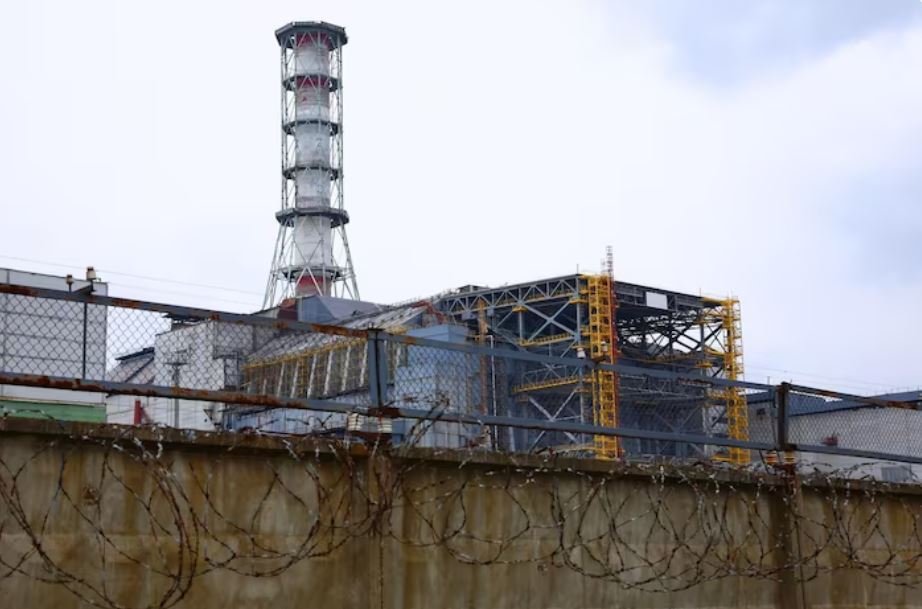
The fact that the plant is still a place of employment is what most surprises guests. According to its operator, decommissioning is anticipated to continue until 2065. A sizable workforce continues to work to manage spent fuel, maintain the New Safe Confinement, which is a massive steel arch that was installed over the old concrete sarcophagus in 2016, and keep an eye on a structure that will, in a sense, never be completed with humanity. One hundred years is the estimated lifespan of the arch. The remnants of Reactor No. 4 will outlive everything in their immediate vicinity by an order of magnitude.
Between February and March 2022, Russian forces briefly took control of the plant, which rekindled long-standing concerns about what might still be hidden behind those walls. The lights wavered. The entire world held its breath. Then the workers returned, the soldiers departed, and the slow, bizarre task of keeping a dead reactor silent began again. That might be the most important lesson learned from Chernobyl forty years later: some mistakes never go away. They are simply controlled.
