

For many years, climate scientists felt calm and at ease when they saw the ocean. People don’t really understand buffer systems, so they didn’t say it out loud, but somewhere in the models and measurements was this reassuring constant: the sea was taking in about 30% of all the carbon dioxide that people put into the air. Every year. In peace. Not with credit. It seems like we took that for granted in ways that we’re only now starting to understand.
That taking in was never a given. The cold, deep water took carbon dioxide from the surface and carried it down into the dark. This is what chemistry does. Chemistry has its limits, though. And more and more studies show that the ocean carbon sink, which is a huge, invisible part of the climate system, is beginning to show signs of being full. Not fall apart. Don’t fail. A slower pace, on the other hand, is more subtle and in many ways more unsettling.
These effects have ripple effects that go in uncomfortable directions. If the oceans take in less carbon over time, then the same amount of CO₂ released by people will cause the atmosphere to rise faster. The goals that governments set, the net-zero timelines that are written into law, and the carbon budgets that support international agreements were all worked out with the ocean doing its normal amount of heavy lifting. That math is wrong because the sink is getting weaker.
It’s still not clear if this is a short-term change or a permanent one. Oceans are not easy to understand. The ability of the water to dissolve CO2 decreases as the surface temperatures rise. This is because warmer water holds less gas, which is similar to how a warm soda goes flat faster. And at the same time, acidification changes the chemistry of marine ecosystems, which impacts phytoplankton and the biological pump that moves carbon to the bottom of the ocean. There is more pressure on both sides. It is still a real scientific question whether they add to each other or cancel each other out in part. The models carry real uncertainty.
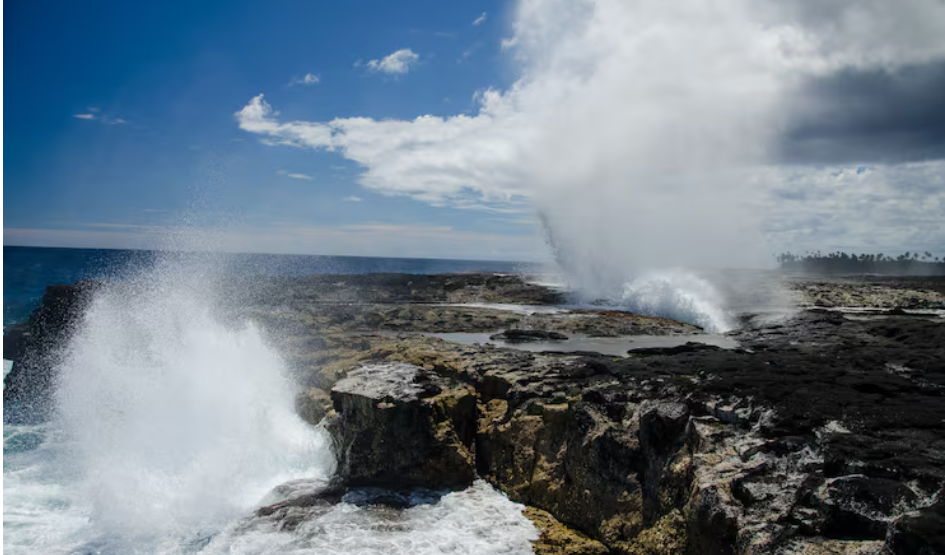
The ocean has been doing more than just taking in carbon, which makes this harder to watch. It soaks up about 90% of the extra heat that greenhouse gas emissions cause. Half of the oxygen we breathe comes from it. Along its coasts, mangrove forests and seagrass beds store four times more carbon than land-based forests. In some ecosystems, they store more than 1,000 tonnes of carbon per hectare. A quarter of all marine life lives in coral reefs, which cover less than a tenth of a percent of the ocean floor. The ocean isn’t the only thing that affects the weather. It’s the system in a lot of ways.
An irony from history is buried here that’s hard not to see. Because the ocean is a reliable carbon sink, big climate goals seemed more doable than they might have been otherwise. It gave the negotiators room to move. It made things a little less urgent, like how a safety net lessens the damage from falling. Now that the net is fraying, the math behind what needs to be done changes.
People who live near the coast have different ideas about how the ocean changes. It is already dangerous for more than 680 million people to live near the coast where the ground is low. A warmer, more active ocean makes storms and flooding more likely. Saturation isn’t a number to them. It’s a line for the tide.
Not one of these things points to a sudden disaster. The ocean won’t stop taking in carbon all of a sudden. But science doesn’t usually make a big deal out of its turning points. They usually come in the form of small measurements and updated models, in papers that don’t make the front page for years. It seems like the quiet story is the important one as we watch this happen: the gradual loss of a buffer that everyone was counting on without fully understanding what was going on.
