

Standing at the edge of a research vessel in the Gulf and knowing that the water below you, stretching down through darkening shades of blue into complete murk, is, by all conventional wisdom, incompatible with life, is a subtly unsettling experience. These areas were dubbed “dead zones” by scientists. It felt like the right name. earned. And no one had much reason to doubt it for decades. Most likely, they ought to have questioned it earlier.
A once-settled picture is being complicated by recent findings from researchers studying hypoxic zones, which are areas where dissolved oxygen drops to two milligrams per liter or lower, a threshold at which most marine life either perishes or flees. These oxygen-starved oceanic regions—such as the vast hypoxic zone in the Gulf of America, which covered 4,402 square miles between July 20 and July 25 of this year—are not the desolate biological deserts that were previously thought to exist.
Something strange is taking place beneath the dead surface. Through a process known as chemosynthesis, in which microbes basically consume the chemistry of the seafloor instead of relying on sunlight or oxygen, organisms are surviving, even flourishing, on chemical energy alone.
Scientists may have underestimated these habitats for a long time because the life there doesn’t seem to resemble any life they had anticipated.
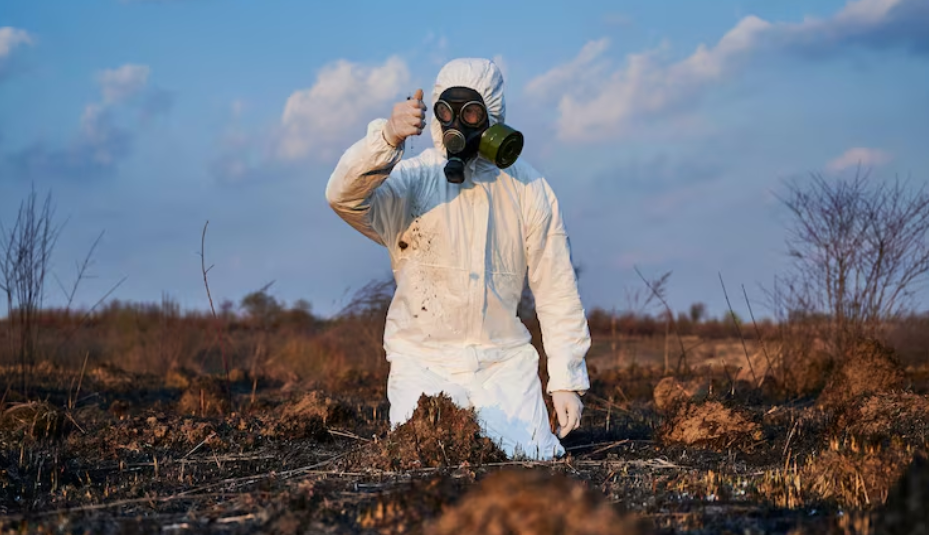
In a grim way, the process that creates dead zones is almost elegant in its predictability. Massive algal blooms are fueled by excess nutrients, mainly nitrogen and phosphorus, which wash off agricultural fields and flow down river systems like the Mississippi. Those flowers deteriorate, sink, and die. The decomposition process is carried out by bacteria that absorb oxygen in astounding amounts, depriving the lower water layers of nearly all breathable material. A layered suffocation results from warmer surface water sitting above and refusing to mix. One of the biggest such zones in the world is found in the Gulf of America, and it returns each year with the consistency of a bad season. And yet. Life goes on.
Hydrogen sulfide, methane, and other chemical compounds that seep from sediment are being metabolized by chemosynthetic organisms, primarily bacteria and archaea, though the ecosystems they support can be surprisingly complex. Sunlight is not necessary for them. They don’t require oxygen. On the chemical exhaust of the seafloor, they construct entire food webs, effectively turning what most living things would consider a death sentence into something more akin to an invitation to dinner. There’s a certain unyielding inventiveness to that.
This has a larger context that is worth considering. Since the middle of the 20th century, the open ocean’s oxygen-depleted zones have grown by several million square kilometers. There are currently over 400 dead zones in the world’s lakes and oceans, including one the size of Florida in the Gulf of Oman. Warmer water retains less dissolved oxygen and speeds up the layering that creates hypoxic conditions, which is exacerbated by climate change. Any promising discovery is nearly bittersweet due to the magnitude of the issue.
There is a chance for some recovery; the Chesapeake Bay has demonstrated quantifiable improvement through consistent nutrient reduction, and Lake Erie recovered from its dead zone in the 1970s before allowing the conditions to return decades later, serving as a reminder that this is more of an ongoing negotiation with human behavior than a problem that has been solved. However, the chemosynthetic communities that are flourishing in areas that we had completely written off are compelling a different kind of discussion. They make us wonder not only where life can exist, but also how little we really know about the ecosystems we have already harmed.
