

In El Paso in July, the air feels different when you step outside than it does in most places. The humidity isn’t as bad as it can be in Houston. And the heat is dry and almost sharp. It makes you think you can handle it until you realize you’ve been standing in the sun for four minutes and you’re already dizzy. This is the cruel thing about El Paso summers: they look bearable from inside, but they’re not.
At this point in time, El Paso weather hasn’t done this in years. The high temperature is expected to reach 42°C, which is about 107°F. This would be warmer than the previous record high temperature for the city, which was 41°C set in 2016. AccuWeather says that today, July 24, could be the hottest day ever recorded. There is a heat advisory in effect from 11 AM to 7 PM local time. The National Weather Service also sent out similar alerts, saying that most lowland areas would be hotter than 100°F by the afternoon. It’s not hot where I live in the summer, but this stretch feels different.
Looking ahead, the forecast doesn’t give us much hope. This coming Saturday and Sunday, the high will be around 40°C. By Monday, it will be back up near 41°C. It’s not just one day of dangerous heat; it’s a whole week of it, with almost no change over the course of one night. The lows at night stay between 25°C and 27°C, so the ground and buildings never really cool down. The city wakes up warm and spends the day trying to get away from the heat that it can’t get away from.
It says that the air quality is bad, which adds another layer to the picture that gets lost when people talk about heat. There is a lot of dust and pet hair. People with breathing problems or allergies have to think about that every day—not just whether to bring an umbrella, but whether to go outside at all. The advisory from AccuWeather makes it clear: if you’re feeling symptoms, spend less time outside. It’s strange to read that as a weather report instead of a medical alert.
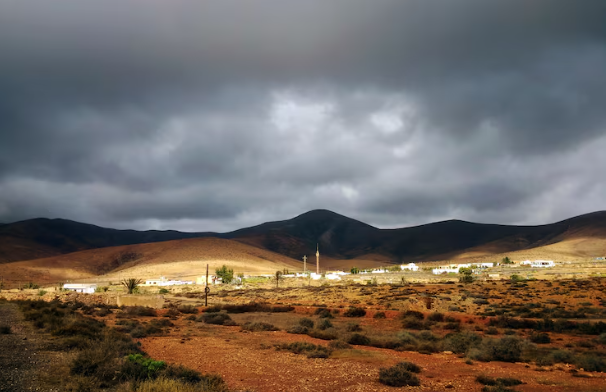
For the foreseeable future, the amount of rain or snow that falls is almost zero. The weather will be mostly clear and sunny for the next ten days. There is a 5–7 percent chance of a few thunderstorms in the evenings, but most people shouldn’t count on it. The Chihuahuan Desert doesn’t say sorry for itself in July, and this week’s weather shows that.
It seems like this heat wave is hitting harder because it’s coming on top of a tough month. Tropical Storm Bertha hit land in Texas and is bringing rain to other parts of the state. But because El Paso is so far west, it’s not getting any of that rain. Instead, it’s getting the heat that the rest of the region is building up under a stubborn high-pressure system.
It’s hard not to think about what this long-lasting heat means for a city that is getting bigger. The number of people living in El Paso has been steadily growing. There are more people, more pavement, and more surfaces that soak up and give off heat at night. Hot cities have effects that aren’t just seen in El Paso, but they become more important as summer temperatures rise even higher into record territory.
People who live in the desert are doing what desert people have always done: adjusting for now. Do something early in the morning, before it gets too hot, find shade wherever you can, and keep water close by. At this time of year, the sun goes down just after 8 PM. This means there are a few good hours of evening before the next day starts to get busy. When it’s cold in El Paso, you learn to value those hours.
