

This is not how the ocean should feel. If you ask anyone who works in the field of sea surface temperature research, you’ll notice a certain level of fatigue in their descriptions of the past few years. It’s not exactly panic, but rather the weariness of being correct too frequently. Global sea surface temperatures outside of polar regions hit 21 degrees Celsius in April 2026, which was the second-highest temperature ever recorded for that month. Two years ago was the warmest April on record. The difference between them is getting smaller as the numbers continue to rise.
Fundamentally, ocean temperature is a measurement of stored energy. The top 200 meters or so make up the surface layer, which continuously interacts with the atmosphere above it, absorbs sunlight, and reacts to currents. The thermocline, where temperatures drop sharply before settling into the chilly, dark deep, is located beneath that. The average sea surface temperature worldwide is approximately 17 degrees Celsius. The average temperature in the vast, dark deep ocean is closer to 3.5 degrees. For oceanographers, these are more than just numbers. They are the global climate’s architecture, and it is currently under pressure that it was not intended to withstand.
The feedback dynamic is what distinguishes this moment from earlier times of worry. Oceans that are warmer don’t do nothing. They increase the amount of moisture released into the atmosphere, which intensifies storms and causes heavier rainfall. Even before a single gram of ice melts, they contribute to sea level rise through thermal expansion. Long-term sea surface temperature anomalies off Turkey’s Mediterranean and Aegean coasts are already causing invasive marine life to spread and species distributions to change. Temperature anomalies and stagnant hydrographic conditions have been directly linked to mucilage blooms in the Marmara Sea, which are thick, gelatinous masses that choked marine life and covered coastlines. Some of what is occurring in these regional seas may be a sign of things to come on a larger scale.
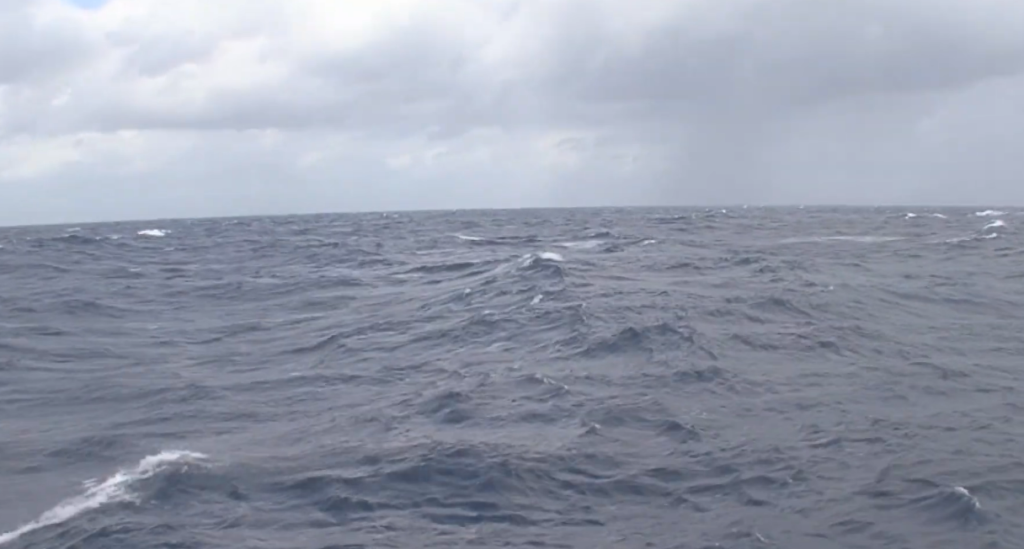
El Niño is another. The current trend indicates that El Niño conditions will develop later in 2026, according to the EU’s Copernicus Climate Change Service. 2023 and 2024 were the hottest consecutive years ever recorded, partly due to the most recent El Niño cycle. Forecasters are keeping a close eye on a return to El Niño layered on top of already high baseline ocean temperatures. More specifically, according to Cem Gazioğlu of Istanbul University, new sea surface temperature records may emerge throughout 2026, bringing with them an increased risk of storm surges, coastal flooding, and marine biological stress events.
These changes have been particularly felt in Latin America. Hurricane Melissa, which made landfall in Jamaica in 2025 and caused losses of about 8.8 billion dollars, or more than 40% of the nation’s GDP, was the first Category 5 storm on record. The Caribbean Sea, the Gulf of Mexico, and the ocean next to Chile all experienced extreme marine heatwaves. The Andean glaciers, which provide freshwater to about 90 million people, are melting more quickly. However, a large portion of this harm is still not primarily framed as an issue related to ocean temperature. It most likely ought to be.
Reading through the gathered data gives the impression that the climate debate has been a little off course for years. Obviously, air temperature is important. However, an estimated 91% of the excess heat trapped by greenhouse gases is absorbed by the ocean. The majority of the heavy lifting is being done by the water. It has always been. The issue is that the mechanisms connecting ocean temperature to a flood in Peru or a drought in central Mexico are genuinely complex, requiring more than a headline to explain, and warming seas are more difficult to visualize than a heat wave scorching a city.
Instead of using the conventional method of measuring once or twice a year, scientists are now advocating for continuous, high-resolution ocean monitoring systems. That frequency, which makes sense for a slower-moving system, is just not enough to monitor events that take days to develop and intensify. The ocean is not traveling as quickly as it once did. As this develops, it’s difficult to get rid of the feeling that the infrastructure for comprehending what the sea is doing is still a few years behind what the sea is actually doing. Perhaps the most unsettling aspect of all is that gap, more so than any one temperature record.
