

In lengthy campaigns, there comes a time when the goal you’ve been working toward for years suddenly becomes a reality rather than a goal. The world’s oceans reached that point on January 17, 2026. Formally known as the Agreement on the Conservation and Sustainable Use of Marine Biological Diversity of Areas Beyond National Jurisdiction, the High Seas Treaty came into effect. For the first time in human history, international waters—those enormous expanses of ocean that don’t belong to any one nation and were previously essentially unprotected—have a legal framework.
Given the scope of what was accomplished, it’s difficult to ignore how quietly this occurred. A document that could, if taken seriously, change how human civilization interacts with more than half of the planet’s surface is the outcome of two decades of negotiations, numerous diplomatic meetings, thousands of hours of debate over language, jurisdiction, and enforcement. That is not an exaggeration. Almost half of the Earth is covered by the High Seas. Prior to the implementation of this treaty, less than 1% of that area was completely protected.
| Key Information: The Global Ocean Treaty (BBNJ Agreement) | Values |
|---|---|
| Official Name | Agreement on Conservation and Sustainable Use of Marine Biological Diversity of Areas Beyond National Jurisdiction (BBNJ) |
| Date Entered Into Force | January 17, 2026 |
| Governing Body | United Nations |
| Treaty Text Finalized | March 2023 |
| Ratifications Required | 60 countries |
| 60-Ratification Milestone Reached | September 19, 2025 |
| Countries Ratified (as of Jan 14, 2026) | 82 nations |
| Key Goal | Protect 30% of the world’s oceans by 2030 |
| Area Covered | High Seas — international waters beyond national jurisdiction |
| First Conference of Parties (CoP1) | Scheduled within one year of entry into force |
| Prestigious Award Won | Earthshot Prize — “Revive Our Oceans” category, November 2025 |
| Campaigning Duration (Greenpeace) | Over 15 years |
| Current Ocean Protection Level | Less than 1% of the High Seas fully or highly protected |
| Potential Future Coverage | Over one-third of global oceans |
You can already see the edge of something that most people never consider when you stroll along any coastline. There is no flag, no owner, and no true regulations in the open ocean that lies beyond the horizon and territorial waters. There has been little accountability for industrial fishing fleets operating there. Oil companies have investigated. Proposals for deep-sea mining have surfaced. Although the treaty doesn’t immediately put an end to all of that, it does provide governments with the legal means to resist, create sanctuaries, and mandate environmental assessments prior to potentially harmful activities.
Ariana Densham, who has been advocating for this exact result with Greenpeace for over fifteen years, called it the biggest victory for ocean conservation she has ever seen. When you take into account how much she’s seen, that kind of statement sounds different. She might be correct. If nations abide by this treaty, it could result in the largest network of marine protected areas in history, encompassing more than one-third of the world’s oceans. It is still genuinely unclear if that goal will endure economic pressures and political cycles.
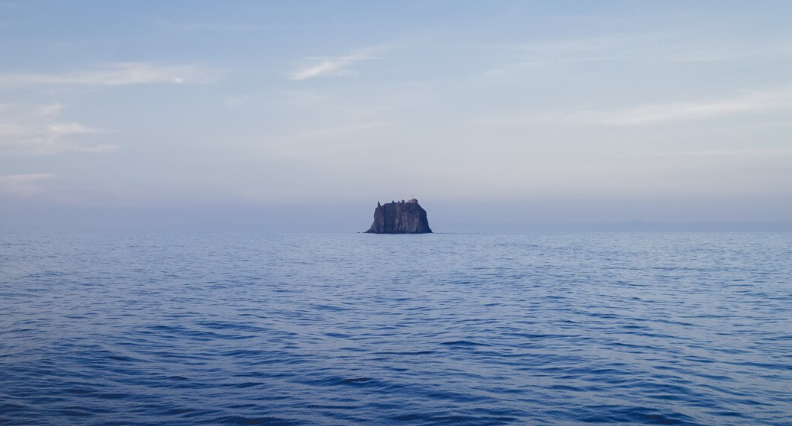
After reaching the 60-country ratification threshold in September 2025, the treaty had to wait the necessary 120 days to become law. It won the Earthshot Prize in the “Revive Our Oceans” category in November of that same year. It was an odd, almost cinematic series of events that seemed to be building toward something. 82 nations had ratified it by January 17. In the days that followed, more were anticipated.
Ocean scientists believe that we have been functioning in a state of collective ignorance regarding the true nature of the deep sea. Migratory birds may use seamounts, those underwater mountains strewn throughout the High Seas, as navigational markers. We’re still figuring out how the deep ocean might contribute to the production of oxygen. The ocean is home to half of all known biodiversity on Earth, and the majority of it is still poorly understood. The treaty’s arrival at this specific time of ecological collapse and climate disruption feels both long overdue and unexpectedly optimistic.
The treaty’s entry into force was referred to as “a monument to multilateralism” by Singapore’s ambassador Rena Lee, who led the negotiations to their conclusion. Although this statement may sound hollow, it feels earned given how long it actually took and how many nations stayed at the table. The real work will start at the first Conference of Parties, which is scheduled to take place in a year. This will involve creating the institutions, suggesting real protected areas, and constructing the enforcement mechanisms that will decide whether this treaty becomes a living document or just a beautiful piece of paper.
Naturally, the oceans are unaware of treaties. The deep-sea animals, great whales, and nudibranchs that go about their daily lives under miles of water are unaware that something changed on January 17. However, those in charge of safeguarding them now have a shared responsibility, a legal basis, and a framework that shifts the burden of proof to those who would exploit rather than defend. That is not insignificant. That could be everything.
