

A small group of scientists spend their days determining what constitutes a record-breaking year in a building in College Park, Maryland, which has beige carpeting and the unique quiet of a federal office park. It doesn’t appear to be much. Nothing like the urgency of a hurricane briefing—no cameras, no press conferences. However, NOAA’s monthly and annual temperature and precipitation assessments, which originate from that building, have become something akin to scripture for anyone attempting to have a serious conversation about American weather.
This wasn’t always the case. Climate data existed in an odd middle ground for decades: scientists trusted it, reporters occasionally cited it, and everyone else largely ignored it. That is no longer the case. In 2025, Utah and Nevada recorded their warmest years on record, surpassing a record set in Utah since 1934. Within days, the numbers appeared everywhere, including in cable news chyrons, insurance filings, and farm bureau newsletters. At some point, NOAA’s National Centers for Environmental Information transitioned from being a specialized government archive to serving as the nation’s arbiter of climate reality.
Consistency plays a part in this, which may seem uninteresting until you consider how uncommon it is. Thermometer readings are not the only data that NOAA reports. It modifies them transparently, taking into consideration factors such as station relocations, instrument upgrades, and the urban heat island effect, which can cause a city block to read hotter than the surrounding county. NOAA uses peer-reviewed research that is made publicly available on its federal website to modify weather data to take into consideration variables like instrument modifications, station relocation, and urbanization. Transparency is more important than most people realize; it makes the difference between data that you can debate and data that you just have to accept.
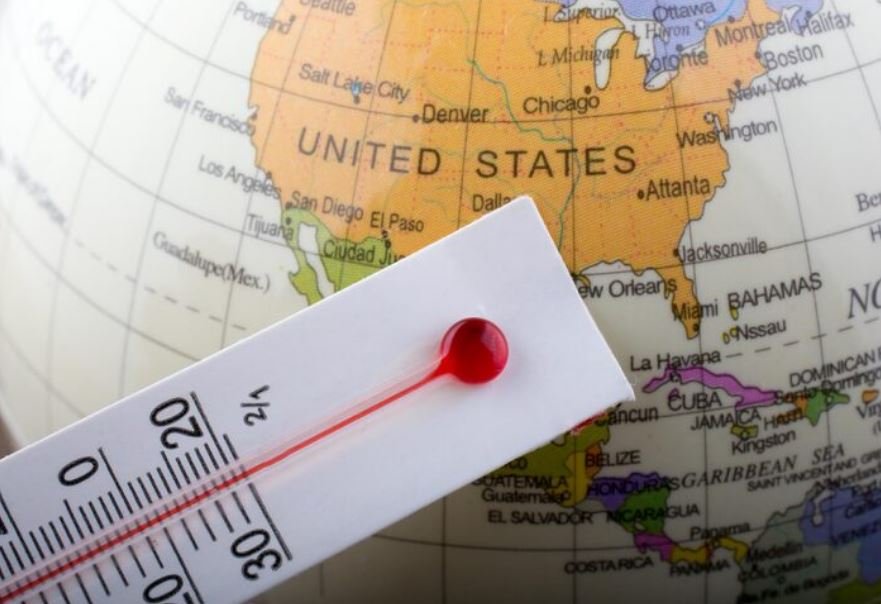
Additionally, the reports have an almost antiquated style. Just the numbers, county by county, state by state, without any dramatic framing or spin. According to the January 2026 report, the average temperature for the contiguous United States that month was 33.2°F, which is 3.1°F higher than the average for the 20th century and places it in the warmest third of the 132-year record. Reading it is almost anticlimactic. Perhaps that’s the point, though. A press release aims to evoke strong emotions in you. The purpose of NOAA reports is to inform you.
It was difficult to ignore how various people used the same set of facts when I watched the 2025 annual report go viral online. The changes were criticized by climate skeptics. The drought percentages were extracted by insurance analysts. The Utah temperature record was reported by Salt Lake City’s local media outlets as a stand-alone story with no additional context related to climate change. The information does not support any specific political viewpoint. It simply remains there, obstinately accessible, and people draw their own conclusions from it.
There is a purely technical version of this story, in which the old practice of manually taking sea surface temperatures from a bucket off a boat is replaced by more advanced satellites, denser station networks, and more rigorous statistical techniques. That aspect is genuine and deserving of respect. However, the more profound change seems cultural. It’s just more difficult to ignore extreme weather these days. No one could ignore the July flooding in the Texas Hill Country, which claimed at least 135 lives after almost two feet of rain fell in a few days. Neither the formation of three Category 5 Atlantic hurricanes in a single season nor the first confirmed EF-5 tornado in North Dakota since 2013. People start requesting numbers rather than impressions when incidents like that accumulate, and NOAA is the organization that has been keeping track all along.
The sustainability of this newfound power remains uncertain, especially in light of ongoing funding disputes and political pressure on federal science agencies in Washington. There is a perception that NOAA’s credibility is not as certain as people think because it depends on scientists’ willingness to continue publishing inconvenient statistics and on ongoing investment in aging station networks. For now, however, there’s really only one place reporters, farmers, and insurers can go to find out if last summer was truly exceptional or if this winter was the warmest a state has ever experienced. Almost by default, NOAA quietly took on the role of record keeper.
