

Driving along the E11 highway and observing the endless stretch of sun-bleached, level coastline is almost surreal. Suddenly, four massive concrete domes emerge from the haze of the desert. Unlike oil refineries with their tangled steel and blazing flares, the Barakah Nuclear Energy Plant doesn’t make an announcement. It produces about 25% of the electricity used daily in the United Arab Emirates while remaining silent and almost monastic. That’s an odd and subtly radical thing for a nation whose modern identity was based on hydrocarbons.
The story of the plant started in December 2009 when a coalition led by Korea Electric Power Corporation was awarded a $20 billion contract by the Emirates Nuclear Energy Corporation. The decision caused controversy in the industry at the time. It was the first time the Koreans had exported a reactor. One had never been run by the Emiratis. Even so, it’s difficult not to be impressed by its audacity in retrospect. In the middle of the desert, two nations that had to prove something to the world were placing bets on one another.
The early years weren’t easy. Every nuclear project on the planet was shadowed by the 2011 Fukushima accident, and there was genuine concern that Barakah might be quietly shelved. It wasn’t. Construction on Unit 1 started the following summer after ground was broken on March 14, 2011, with then-Korean President Lee Myung-bak present. From the initial $20 billion to $25 billion, then $24.4 billion, and finally closer to $32 billion by 2020, costs continued to rise. Every nuclear project eventually teaches its backers that there is no such thing, and investors who had been assured that this would be a clean, predictable build eventually realized this.
Grease was found to have seeped through the Unit 3 containment, possibly through a crack, and voids were found in the concrete containment buildings for Units 2 and 3 by 2018. Before fuel loading could even start on Unit 1, the Federal Authority for Nuclear Regulation raised over 400 adverse findings. Some of these might have been commonplace. It’s also possible that they exposed more serious issues with the management of a first-of-its-kind project by a first-time nuclear nation. Most likely, the truth lies somewhere awkward in the middle.
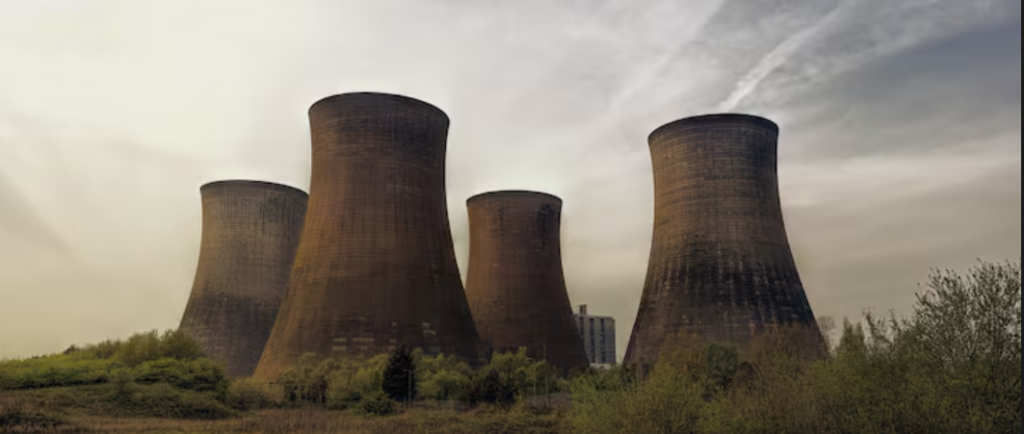
Nevertheless, one by one, the reactors came online. In April 2021, Unit 1 finally began commercial operations, almost four years later than planned in 2017. The other three came next. Currently, the plant can prevent up to 22.4 million tons of carbon emissions annually—a figure that environmental organizations typically applaud but seldom link to Gulf petrostates. The UAE appears to be aware of the subtle irony in that.
Then May 2026 arrived. According to reports, a drone that was launched from Iraqi territory hit the perimeter and started a fire. There was no radiation leak or reactor damage, but it was difficult to ignore the symbolism. The oldest issue in the area had now had a slight impact on the first nuclear plant in the area. Although Emirati authorities had rejected the Houthi missile claim in 2017, this incident felt different. more authentic. Uncomfortably more forward-looking.
From a distance, it’s difficult to avoid the impression that the UAE has accomplished something truly challenging, despite the high cost. The next ten years will determine whether it becomes a model for the rest of the Arab world or just a one-off built on political will and oil money.
