

When the subject of North Sea oil comes up in Westminster these days, there’s an odd silence. It’s not quite silence, but rather a tense quiet, as though everyone in the room is aware that the dispute is far from resolved. With the same conviction he has held for years, Ed Miliband presented the case once more in front of Labour MPs this week. He maintains that the UK can only attain energy sovereignty by eschewing fossil fuels. On paper, the position seems straightforward. It’s not at all like that in reality.
At a difficult time, the decision was made to extend the moratorium on new oil and gas licenses. The Gulf is being used as a reroute for tankers. The cost of gasoline is rising. All across the nation, households are preparing for yet another challenging winter of bills. Nevertheless, the government is stepping up its efforts. Despite the unfavorable political climate, Labour seems to feel that this is the time to fully commit rather than back down.
Contrary to what the official messaging indicates, the sentiment among regular voters outside Parliament is more polarized. Climate goals are not a major topic of discussion in Aberdeen, where the offshore industry has shaped entire neighborhoods for decades. Jobs, mortgages, and whether or not the children will move out are the main concerns. As you pass the supply yards by the harbor, you’ll notice that machinery is idle, awaiting decisions that might never be made. The human cost hidden behind the policy headlines is difficult to ignore.
It was presented as a lesson learned by Michael Shanks. He contended that the only practical solution is to cease being a price taker because the UK has already paid too much for its exposure to unstable gas markets. That makes sense. The conflict between Russia and Ukraine demonstrated how swiftly shocks from around the world can enter British homes. Critics are still skeptical of the timing. It was described by Claire Coutinho as “sheer lunacy in the midst of a gas supply crisis.” Richard Tice went so far as to call the plan absurd. The public’s response to those reactions is a completely different matter.
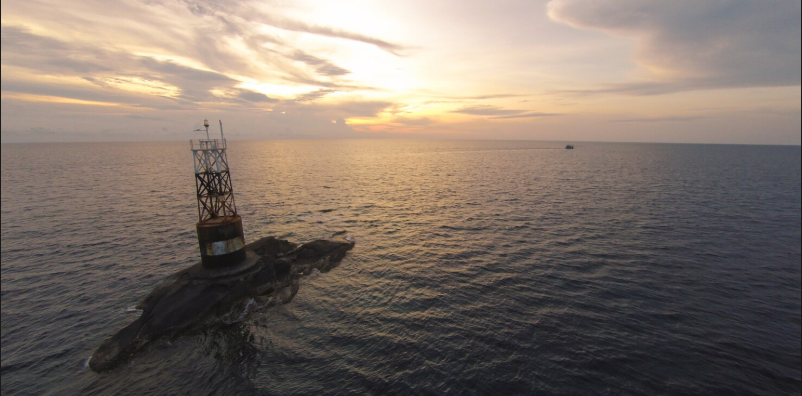
The tension within the labor force is intriguing. Drilling in the North Sea could help struggling regions and slow deindustrialization, according to Henry Tufnell, who broke ranks and called for a reconsideration in a Sun article. According to reports, the response inside the parliamentary Labour party meeting was direct. According to one MP, he was shot down. However, his argument hasn’t vanished and most likely won’t. Too many constituencies perceive job losses as immediate while the green transition is abstract.
Meanwhile, Reeves is getting ready for her own reaction to the oil shock. Faster nuclear approvals, a new anti-profiteering framework, and indemnities for energy projects that are being challenged in court. The government wants to be seen acting rather than waiting, and this is evident in the busy package. It’s genuinely unclear if that will be sufficient to withstand the political pressure from Reform and the Conservatives.
The moment Britain genuinely committed to a post-oil economy could be considered a turning point in history. Alternatively, it might be recalled as a mistake, a moral stance made at the wrong moment. As I watch this play out, the only fair conclusion is that no one truly knows yet. For fifty years, the North Sea has influenced Britain’s economy. Even if it’s done gradually, closing the door on it is the kind of choice whose effects take years to become apparent.
