

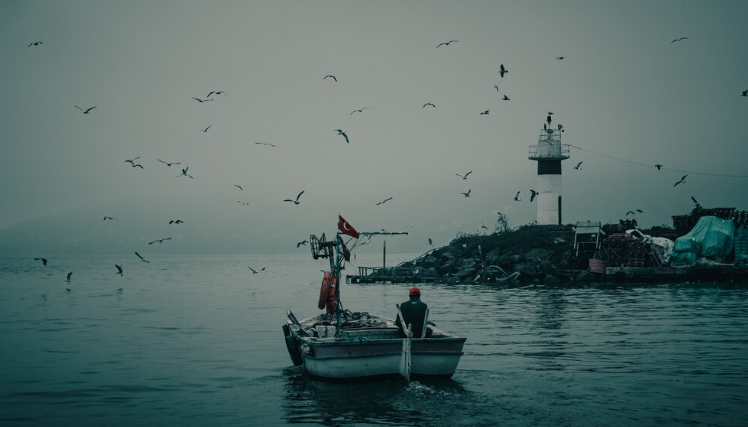
A fisherman named Thanh hauls in his nets on a calm morning along the Vietnamese coast and discovers that they are lighter than they have been in years. He has been venturing farther—perilously farther—and returning with less. He can figure out why without a satellite report. A few weeks ago, he saw the big ships sail by, their lights flickering on the horizon like a city moving slowly. The water felt different by the time they were gone. Emptier.
This is not a singular incident. Small-scale fishermen are complaining about the same thing throughout Southeast Asia, from the Gulf of Thailand to the periphery of the Philippines‘ exclusive economic zone: the fish are disappearing, and the timing coincides with something more significant than bad luck or bad weather.
One of the most significant and hotly debated forces in Asian waters today is China’s distant-water fishing fleet, which some serious estimates place closer to 17,000 vessels than the government-stated figure of about 2,600. These boats are not small. Many of them are large-scale industrial trawlers that can bring in as much fish in a single week as a local Filipino or Vietnamese vessel could catch over the course of a year. That’s not exaggeration. That is capacity that has been documented.
This is especially complicated because it’s hard to track. Chinese ships have frequently been discovered by researchers using satellite data to operate in areas where they are not authorized. Southeast Asian waters are seeing similar, unsettling results from the same methodology that revealed a previously undetectable armada of more than 700 Chinese ships fishing illegally in North Korean waters, with consequences that reportedly included North Korean fishermen drifting to their deaths in search of squid that no longer existed.
It becomes truly messy when it comes to the political aspect. The regional governments are not reacting collectively. The Philippines has fluctuated significantly as it continues to manage the conflict between its economic reliance on Beijing and its own claims to maritime sovereignty. Due to direct maritime encounters, Vietnam has become more assertive; however, assertiveness without enforcement power is limited. Smaller countries with fewer resources and stronger financial ties to China, on the other hand, have a tendency to turn a blind eye. To be honest, this trend doesn’t seem likely to change on its own.
It seems as though the area is being asked to make a decision in private and without anyone making it clear. Take the trade connections and infrastructure investments, and take the pressure from fishing as well. It is genuinely unclear whether that agreement is sustainable in terms of politics, the economy, and the environment. Over the past few decades, the South China Sea’s fish stocks have already drastically decreased. According to some marine researchers, the situation is on the verge of collapse. Scientists don’t use that kind of language informally.
The question of who actually absorbs that collapse first is not given enough attention. Not trade ministries, not governments, and not the representatives at conference tables negotiating bilateral agreements. Thanh and his boat are heading farther out, using more fuel, catching fewer fish, and wondering how long this will last. To the extent that it is regulated at all, the industrial-scale extraction occurring above him in the water column is controlled by a patchwork of agreements that local fishermen were never involved in negotiating.
Diplomatic pressure, enhanced satellite surveillance, and coalition building among impacted countries might eventually result in something approaching accountability. There are indications of progress, such as well-crafted declarations, coast guard deployments, and covert discussions about multilateral frameworks. For the time being, however, the big boats continue to travel, the nets continue to come up empty, and governments throughout Southeast Asia are still trying to determine which side of this issue they truly support.
