

In areas that don’t typically receive much astronomical attention, a quiet kind of buzz is growing. Months ago, hotels in A Coruña began to fill up. I was casually informed by a friend who works for a small tour operator in northern Spain that they sold out of their August inventory before the previous summer was even over. On August 12, 2026, people want to be standing somewhere, anywhere, beneath the path of totality.
Because of the peculiar geometry, astronomers describe the eclipse itself with a small smile. About 2.2 days after perigee, the Moon will pass between the Earth and the Sun, making it appear somewhat larger in the sky. Totality lasts for just over two minutes and eighteen seconds at its highest point, which is located in the chilly Atlantic approximately 45 kilometers off the western coast of Iceland. Tourists may find it inconvenient, but it’s striking in a way that maps can never fully convey.
The direction of the shadow’s early path is what’s strange, and the word strange is used here on purpose. It travels across the Arctic from east to west, barely passing the North Pole before entering Greenland. Even seasoned eclipse chasers notice that the first stretch’s east-to-west motion is peculiar. Following Greenland, it passes through Iceland and the North Atlantic before arriving at Spain’s northern coast. The show is pretty much over by the time it crosses the Mediterranean.
The region that has received the most attention is Iceland, especially Lõrabjarg, the striking westernmost cliff in the nation. It is the location on solid ground where the eclipse lasts the longest, which has given local authorities a little headache. The roads there are small, sometimes single-track, and not designed to handle the volume of traffic that an eclipse pilgrimage usually brings. There has been discussion about completely banning cars from the area and using buses to transport people. Road repairs are already in progress, in part because they are routine and in part because no one wants visitors to fall off a cliff in the dark.
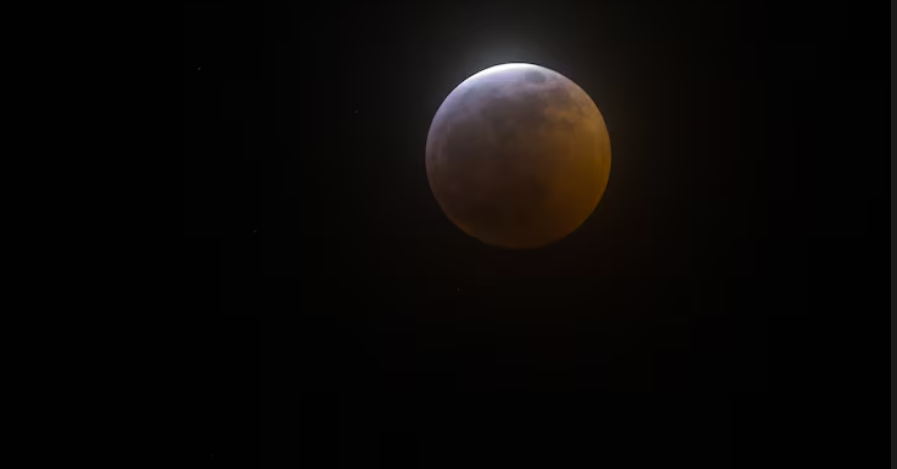
The other major story is Spain. Strangely, the next total solar eclipse will occur on August 2, 2027, less than a year after the previous one, which occurred in 1905. Two in about a year. following over a century of nothing. It’s the kind of cosmic mishap that begs the question of whether anyone in 1905 anticipated having to wait this long. A sizable portion of the nation can witness totality without having to travel far because the route passes through Bilbao, Zaragoza, Valencia, and Palma de Mallorca. Unfortunately, Barcelona and Madrid are right outside the line. Day trips are already being planned by residents of both cities.
Residents of Vancouver and the southern half of Vancouver Island will be completely excluded from the event, but the majority of the country will receive at least a small bite out of the Sun. The next full Canadian totality won’t occur until August 2044, following the April 2024 spectacle that swept through eastern North America. When you’ve already seen one, eighteen years seems like a long time.
Additionally, observers in northern Russia may be able to witness the aurora borealis simultaneously with the eclipsed Sun, depending on solar weather. The idea alone is enough to send a few photographers on costly trips to the Taymyr Peninsula, even though it’s a slim chance—a powerful geomagnetic storm would be required to coincide with the event. It’s difficult to avoid the impression that the eclipse on August 12 will be remembered more for the odd, dispersed locations it touches than for its length.
