

Like a name that has been waiting on a list all year, the first named storm of the season typically makes an appearance with some fanfare. Arthur. It sounds almost soft. However, the residents of Sargent, Texas, and Morgan City, Louisiana, are not considering the name as the storm bearing that name moves northeast along the Texas coast. The water is on their minds.
The forecast pushes Arthur inland, across the Texas–Louisiana border, and into the soft, flood-prone country beyond. Tropical storm warnings cover the entire coastal seam. The western Florida Panhandle, southern Louisiana, Mississippi, Alabama, and a portion of southwest Georgia. Most places receive five to ten inches of rain, with a few unlucky areas receiving up to twenty. People are kept up at night by that final number. Speaking with anyone who has experienced a Gulf summer gives you the impression that the wind is rarely the cause of your problems. It’s the persistent rain.
And it has already begun. Before Arthur had a proper name, parts of the greater Houston area flooded, and as the storms passed through, Texas Governor Greg Abbott declared a disaster for 101 counties on Monday. One hundred and one. These days, it’s difficult to ignore how casually large numbers like that land, as if the area has just grown accustomed to tallying its losses in bulk.
Of course, there is history here. Harvey is the kind of memory that influences a city’s preparation, and Houston remembers him. It’s evident in how businesses act ahead of storms rather than after. Six of Direct Relief’s Hurricane Preparedness Packs have been set up right in Arthur’s path, and additional medical assistance is being expedited in. Direct Relief has been working the health side of these disasters for years. The unglamorous but necessary items, such as insulin, asthma inhalers, and blood pressure medication, are stored in the caches. When a pharmacy floods or a clinic loses power and a person on a set routine is suddenly unable to follow it, these situations subtly turn into emergencies. It’s easy to forget that for someone who couldn’t get a prescription filled, the most dangerous times of a storm can sometimes arrive in a living room days later.
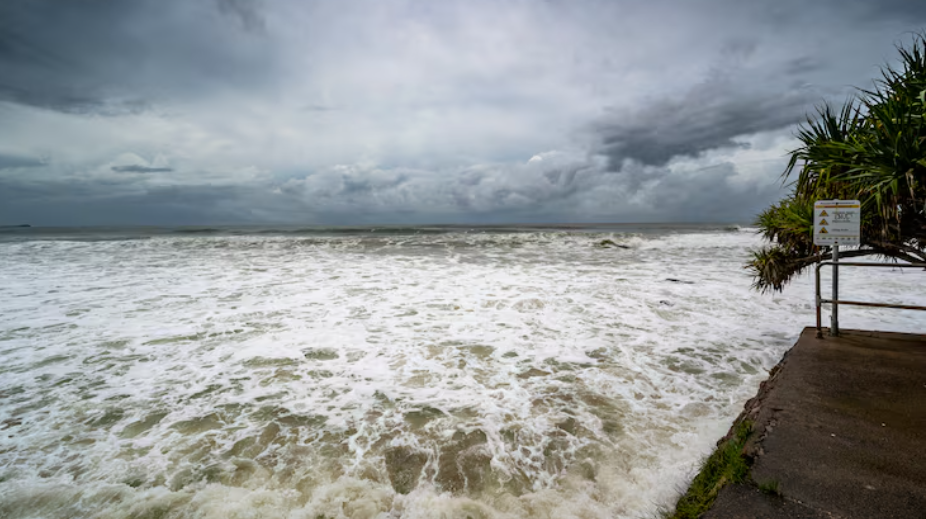
The forecast reads almost like a different story further inland. Thursday will start in the low to mid-70s, with humidity rising and temperatures approaching 90 degrees before sporadic storms return. windy, with 30-mph gusts. The remnants of Arthur then continue into the Friday commute; heavy rain, particularly in the central and southern counties, tapered off by midmorning before a cold front triggered a few more showers. Where the ground is already saturated, the risk of flash floods remains high despite the typical choreography of a weakening system.
The part that no one can completely guarantee is what comes next. It is anticipated that Arthur will make landfall along the coast of Texas, weaken as it moves inland, and leave behind the threat of high-end flooding throughout the Gulf states. Drier air is expected to arrive by Father’s Day weekend, with temperatures returning to the upper 80s and approaching 90 degrees—a muggy normal that almost feels relieving after a storm. On Sunday night, there may be a few showers in the west. There’s a better chance of rain early next week.
However, forecasts are confident statements made in the face of uncertainty. As you watch this happen, you get the impression that the slow days that follow, when the cameras depart and the water sits, are the true test, not the landfall. For once, the meteorologists’ constant advice to stay tuned doesn’t feel like filler. It seems like the truthful response.
