

Denver excels at a certain type of morning more than almost anywhere else: the Rockies appear to be posing in the background, the sky is so blue it almost looks painted, and the air is cool and thin. You think, “This is manageable,” as you step outside before eight o’clock. The same sky has turned pale, almost white at the edges, and by two in the afternoon, the temperature is approaching 90°F. The city is baking quietly under what forecasters are calling, with little fanfare, “mostly sunny.”
Denver’s current weather is characterized by this contrast: the relentless afternoon and the deceptively gentle morning. In both the best and worst ways, this week’s forecast reads like a broken record. By late June, the city will see consecutive days with temperatures close to 93 and 94 degrees. Thursday rises to 89°F, Friday to 87°F, and Saturday to 91°F. Denver’s summers may have always been warm, but this year seems to have made the heat less seasonal and more enduring.
The city receives its little mercy during the nighttime lows. The kind of sleeping weather that cities like Phoenix have long forgotten is provided by temperatures that drop to the high 50s and low 60s. Denver still understands that. For the time being. However, locals who have lived here for two or three decades tend to notice more than official forecasts ever fully capture as the lows have been quietly rising year by year.
The air comes next. The kind of notice that gets lost in weather apps between pollen counts and UV index readings is an Air Quality Alert that is active until Thursday afternoon. On a bad air day, however, you can sense the difference by standing outside close to downtown, close to Colfax, and close to the parks that are crowded with runners every morning. Before the eyes do, the throat is aware. Technically speaking, the Air Quality Index is “moderate,” which sounds comforting until you read the fine print: children spending long afternoons outside, people with respiratory conditions, and sensitive individuals. Being moderate is not insignificant. It’s simply a more gentle term for something worthwhile to watch.
Additionally, grass pollen is currently at an extremely high level, adding another layer of complexity to what already seems like a challenging weather week. Early summer health in Denver necessitates a kind of atmospheric negotiation that wasn’t always a part of the city’s identity, such as heat management, air awareness, and allergy mitigation. For regular people trying to go for a walk, it’s difficult to ignore how much the daily calculus has changed.
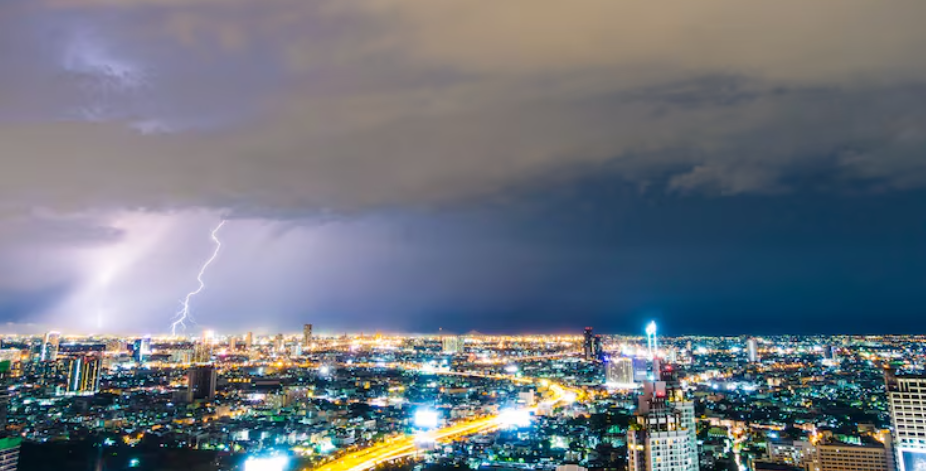
The speed at which conditions change is what makes Denver’s weather truly unique and what motivates meteorologists to continue researching it. The Boulder-based National Weather Service is monitoring everything from Colorado’s ongoing drought monitor concerns to Red Flag warnings for fire risk in adjacent ranges. Denver is located in the Front Range corridor, which is both occasionally volatile enough for afternoon storm development and dry enough to be concerned about wildfires. Denver, Colorado, has always had that kind of weather, but it’s getting harder to ignore.
The sky of this city still has a certain allure. Denver keeps people looking up, whether the next two weeks bring 94 degrees or an unexpected afternoon thunderstorm rolling in off the mountains. It’s no longer clear if that’s anxiety or admiration. Perhaps both.
